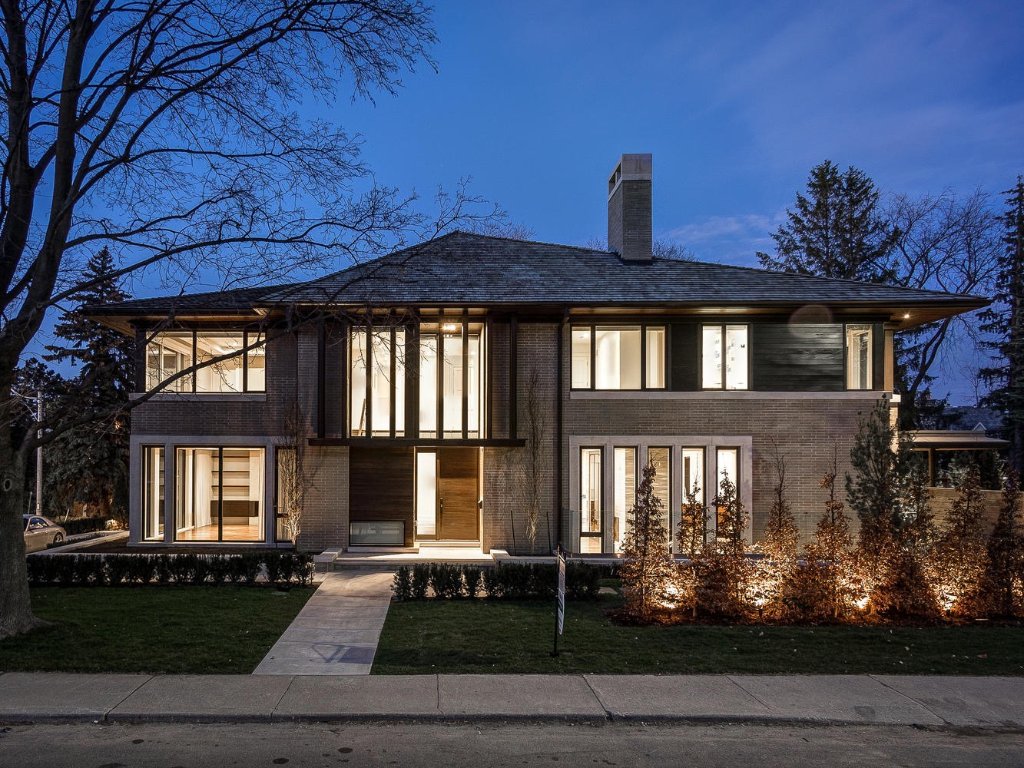
Choosing the Right Architect for Your Custom Home in the GTA
Your architect will shape everything about your home before your builder touches a single wall. Here's how to choose the right one.
Direct Answer
A residential architect in Toronto typically charges 8–15% of construction cost (e.g., $160K–$300K on a $2M build), and the design-to-permit process takes 12–18 months. Look for portfolio alignment with your style, neighbourhood familiarity, budget discipline, and a collaborative relationship with builders.
Choosing a residential architect is one of the most consequential decisions you'll make on a custom home project — more consequential, in some ways, than choosing a builder. The architect shapes the design of your home: how it sits on the land, how rooms relate to each other, how light moves through the spaces, and how the building feels to live in.
The right architect for your project isn't necessarily the most prestigious or the most published. It's the architect whose design sensibility resonates with you, who listens as well as they draw, who has experience with your type of project and neighbourhood, and who will work constructively with your builder to bring the design to life within your budget.
After building alongside Toronto's leading residential architects for 25+ years — including firms like Richard Wengle Architect, Goetstouwers Architects, Ancerl Studio, and Altius Architecture — here's our honest guide to making this decision well.
What to Look for in a Toronto Residential Architect
Eight criteria that matter most when selecting an architect for a luxury custom home in Toronto or the GTA.
Portfolio Alignment
An architect's portfolio tells you what they're good at and what they love to design. Look for homes of similar scale, style, and complexity to yours. An architect who excels at heritage restoration may not be the right choice for a contemporary minimalist build — and vice versa.
Neighbourhood Familiarity
Different Toronto neighbourhoods have very different zoning, heritage, and Committee of Adjustment considerations. An architect with deep experience in Forest Hill, Rosedale, or Lawrence Park will navigate these processes much more efficiently than someone who doesn't know the specific constraints of those areas.
Budget Discipline
Ask explicitly: how do you manage cost during the design process? The best architects understand that design decisions have cost implications and engage with those implications actively — not after permits are issued. Ask for references from past clients on whether projects came in on budget.
Builder Relationships
An architect who works well with builders — who is respected on job sites and who communicates clearly in construction documents — produces better outcomes. Ask which builders they have strong relationships with in Toronto. Ask builders you admire which architects they most enjoy working with.
Listening Before Drawing
Great architects are great listeners before they're great designers. The first meetings should be dominated by questions about how you live, what frustrates you about your current home, and what you dream the new one will feel like. Be wary of architects who arrive with a design concept before they fully understand your life.
Principal Involvement
In many firms, the principal (the named architect) designs the project but hands it off to junior staff for production. Ask directly: who will attend site meetings? Who reviews drawings before they're issued? Ensure the talent that attracted you stays involved throughout.
Heritage Experience (if applicable)
If your property is in a heritage district or is heritage-designated — common in Forest Hill, Rosedale, Moore Park, and parts of Lawrence Park — you need an architect with specific experience navigating Toronto's heritage approval process. It is a specialized skill set that not all residential architects have.
Communication Style
You will be in a close working relationship with your architect for 18–36 months. Communication style matters enormously. Do they respond promptly? Are they direct when they disagree with a direction you want to take? Do you feel heard in meetings? Trust your instincts here.
Red Flags to Watch For
Warning signs that the architect–client relationship may not go well.
Designs before listening
If an architect arrives to a first meeting with a pre-formed design concept, they're designing for themselves, not for you.
Vague on fees
Architectural fees should be clearly structured: what's included, what triggers additional billings, and how changes are handled. Ambiguity here creates disputes.
Dismissive of budget
An architect who treats the budget as an afterthought or tells you "great design always costs more" is setting you up for a painful value-engineering exercise after permits.
Can't provide references
Ask for references from clients whose projects are complete — ideally two to three years ago so the relationship has had time to fully play out. Hesitation here is a signal.
Adversarial about builders
Architects who are openly dismissive of builders — or who make the client feel they must "manage" the builder–architect relationship — create costly conflict on the job site.
No experience in your neighbourhood
Toronto's zoning, heritage, and variance processes are hyperlocal. An architect unfamiliar with your specific neighbourhood will take longer and make more errors in the approval process.
Toronto Residential Architects: A Quick Reference
A snapshot of Toronto firms whose work we know well — organized by design style and neighbourhood strength.
| Firm | Design Style | Best For | |
|---|---|---|---|
| Richard Wengle Architect | Classical & Traditional | Forest Hill, Rosedale, Bridle Path estate homes | Website |
| Goetstouwers Architects | Transitional & Contemporary | Yorkville, Summerhill, Lawrence Park | Website |
| Ancerl Studio | Modern with warmth | Integrated architecture + interiors, Annex, Bloor West | Website |
| Altius Architecture | Sustainable luxury | Heritage renovation, Passive House, East Toronto | Website |
| SMPL Design Studio | Minimalist modern | Infill custom homes, Leslieville, Riverdale | Website |
| Cohlmeyer Architecture | Estate & large-scale | Bridle Path, Hoggs Hollow, complex heritage projects | Website |
Frequently Asked Questions
How much does a residential architect cost in Toronto?+
Residential architects in Toronto typically charge 8–15% of construction cost for a full-service engagement (schematic design through construction administration). On a $2M custom home, that's $160,000–$300,000 in architectural fees. Some firms offer phased services where you pay only for the design phases and manage construction administration yourself — though this is not recommended for complex projects.
How long does it take to work with an architect before construction starts?+
For a custom home in Toronto, the design and permitting process typically takes 12–18 months before a shovel goes in the ground: 3–5 months for schematic design and design development, 2–3 months for construction documents, and 3–6 months for permit review at the City of Toronto. Heritage properties and complex sites take longer. Starting early is the single biggest schedule advantage you can give yourself.
Should I hire the architect or the builder first?+
Either order can work, but the ideal sequence is architect first (to develop the design and vision), then builder — ideally during design development, not after permits. This allows the builder to provide cost feedback while the design is still flexible. Some clients select both simultaneously and have them collaborate from day one, which often produces the best outcomes on complex projects.
What's the difference between a residential architect and a home designer?+
In Ontario, only licensed members of the Ontario Association of Architects (OAA) can legally use the title "architect." Architects have completed an accredited professional degree, internship, and licensing examinations. Home designers (including some technologists and design-build firms) can produce drawings for many residential projects but cannot stamp structural drawings or call themselves architects. For complex custom homes, a licensed architect is strongly recommended.
Can my architect and builder work together if they haven't before?+
Yes — good professionals adapt. But projects run more smoothly when the architect and builder have an existing working relationship: they already know each other's standards, communication preferences, and problem-solving approach. If you're selecting both, consider whether either can recommend someone they've worked with successfully.
What questions should I ask a potential architect?+
Key questions: How many custom homes of similar size and scope have you completed? Can I visit completed projects and speak to past clients? How do you approach budget management during design? Who specifically will be working on my project — a principal or a junior team? How do you handle disagreements with the builder? What's your typical involvement during construction? The answers reveal as much about communication style and values as they do about technical capability.
Need an Architect Referral?
We're happy to introduce you to Toronto architects whose style matches your vision — no obligation, no referral fees.
Get in TouchFollow the Build
Get an inside look at Toronto's most extraordinary custom homes — straight from the principals themselves.

Follow Robby for behind-the-scenes looks at custom home builds, design decisions, and life on the job site across Toronto.

Follow Mark for construction craftsmanship, renovation transformations, and the precision that goes into every Wexler build.